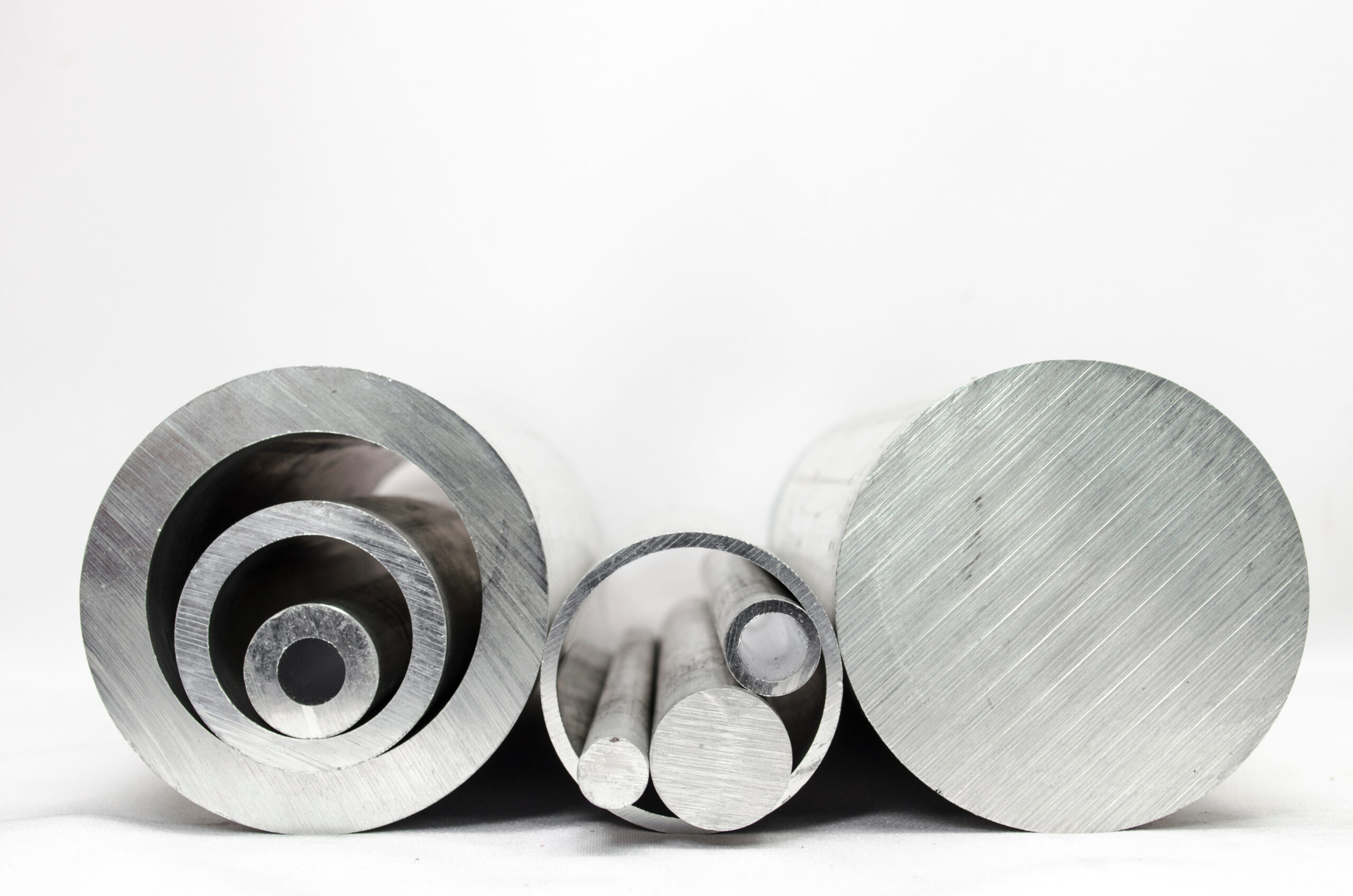
When buyers, machinists, and engineers are sourcing stainless steel for machined components, one of the most important decisions is whether to start with solid bar, mechanical tube, or hollow bar.
The right choice can affect machining time, material waste, lead time, compliance, and total project cost. For parts that already require a center bore, stainless steel mechanical tube or hollow bar can often be a more efficient starting material than solid round bar.
At Scan Tube Steel, stainless steel mechanical tube and hollow bar are stocked for buyers who need corrosion-resistant material, reliable traceability, and practical size availability for industrial applications.
What Is Stainless Steel Mechanical Tube?
Stainless steel mechanical tube is a tubular stainless product used for mechanical and machined applications rather than general fluid conveyance. It is commonly selected when the final part needs strength, corrosion resistance, dimensional reliability, and a defined outside diameter and inside diameter.
Mechanical tube is often used in applications where the material will be cut, machined, bored, turned, or finished into a specific component.
Common examples include:
- Bushings
- Sleeves
- Couplings
- Spacers
- Nozzles
- Reducers
- Valve and pump components
- Equipment parts
- Industrial machined components
For buyers, the key advantage is that mechanical tube already has a hollow center. That means less material may need to be removed during machining compared with starting from solid bar.
What Is Stainless Steel Hollow Bar?
Stainless steel hollow bar is closely related to mechanical tube, but the term is often used when the product is intended specifically as machining stock for hollow components.
In practical sourcing conversations, buyers may use “mechanical tube” and “hollow bar” together because both can serve a similar purpose: providing a stainless steel round product with an existing inner diameter.
The important point is not only the name. The important point is whether the product size, grade, specification, and traceability match the application.
When the finished part has a hole through the center, hollow bar can reduce the amount of drilling, boring, and chip removal required. This can help make production more efficient, especially when working with larger stainless components.
Mechanical Tube vs Hollow Bar: Is There a Difference?
In many buying situations, the terms overlap. However, there is a useful way to think about the difference:
Mechanical tube is often discussed from the perspective of product form, dimensions, and mechanical use.
Hollow bar is often discussed from the perspective of machining efficiency and producing hollow finished parts.
A buyer may request stainless steel mechanical tube when they are focused on the material specification and dimensional requirements. A machinist may ask for hollow bar when they are focused on reducing machining time for a part with an internal bore.
In both cases, the goal is usually the same: source a stainless steel product that can be cut and machined into the required component with less waste and fewer production challenges.
Why Buyers Choose Mechanical Tube or Hollow Bar Instead of Solid Bar
Solid round bar is useful for many applications. But when the finished part needs a large internal hole, solid bar may require significant material removal.
That can create several problems:
- More machining time
- More tool wear
- More stainless steel chips and scrap
- Higher labour cost
- Longer production time
- More difficulty with larger diameter parts
Mechanical tube or hollow bar can help reduce these issues because the internal opening already exists. Instead of starting from a fully solid piece and removing the center, the buyer can begin with material that is closer to the final geometry.
This does not mean hollow bar is always the right choice. Solid bar may still be better for parts that do not require a bore, parts with unusual geometry, or parts where the engineering specification calls for solid material. But for many hollow machined parts, mechanical tube or hollow bar can be a smarter starting point.
Grade Selection: 304/304L and 316/316L
Two of the most common stainless steel grade families for mechanical tube and hollow bar are 304/304L and 316/316L.
304/304L stainless steel is widely used across industrial equipment, manufacturing, food and dairy, and general corrosion-resistant applications. It is often selected when buyers need a dependable stainless grade for standard operating environments.
316/316L stainless steel is commonly selected when the application requires stronger corrosion resistance, especially in more demanding environments. Buyers may consider 316/316L for applications involving moisture, chemicals, marine exposure, process equipment, or more corrosive operating conditions.
The “L” versions, such as 304L and 316L, refer to lower-carbon versions of the grade. These are often preferred when welding or corrosion performance around welded areas is part of the specification.
For buyers, the best grade depends on the application, environment, compliance requirements, and machining needs. When in doubt, it is better to confirm the grade before ordering rather than choosing only based on price or availability.
Why Specifications and Traceability Matter
For stainless steel buyers, the product form and grade are only part of the decision. Specifications and documentation matter too.
Mechanical tube and hollow bar may be required to meet standards such as ASTM A511, depending on the application. Buyers may also need material that supports NACE, DFARS, EN 10204, or other project-specific requirements.
This is especially important in industries where stainless steel components are used in critical environments, including:
- Food and dairy
- Industrial equipment
- Mining
- Oil and gas
- Pulp and paper
- Transportation
- Aviation
- Nuclear
- Military and defense-related applications
In these situations, traceability is not just paperwork. It helps confirm that the material supplied is aligned with the buyer quality, compliance, and procurement requirements.
Size Availability and Lead Time
One of the biggest sourcing challenges with stainless steel mechanical tube and hollow bar is availability.
A buyer may know the exact outside diameter, inside diameter, grade, and specification they need, but still face long lead times if the material is not in stock. This can delay machining, production, maintenance, or project delivery.
That is why stocked sizes are valuable.
Scan Tube Steel stocks stainless steel mechanical tube and hollow bar in 304/304L and 316/316L, with sizes from 2 inch OD up to 10 inch OD. For buyers who need material quickly, available inventory can reduce sourcing friction and help projects move forward faster.
What Buyers Should Confirm Before Ordering
Before requesting a quote for stainless steel mechanical tube or hollow bar, buyers should confirm a few key details.
- Required grade: 304/304L, 316/316L, or another stainless grade
- Outside diameter and inside diameter
- Required length and cutting needs
- Applicable specification or documentation requirements
- The final application and operating environment
If the project requires ASTM A511, NACE, DFARS, EN 10204, or mill test reports, the supplier should know this before the order is finalized.
A supplier with technical product knowledge can often help identify whether mechanical tube, hollow bar, solid bar, round tube, or pipe is the best fit.
Choosing the Right Stainless Steel Supplier
The right supplier should do more than simply provide a price. For mechanical tube and hollow bar, buyers benefit from a supplier that understands stainless grades, machining applications, stocked sizes, traceability, and lead-time pressure.
A strong supplier should be able to help answer questions such as:
- Is this size available from stock?
- Is the required grade available?
- Can the material be cut to length?
- What specifications does the material meet?
- Can documentation be provided?
- Is there a better product form for the finished part?
For buyers managing production schedules, these answers can make a major difference.
Request Stainless Steel Mechanical Tube or Hollow Bar
If your project requires stainless steel mechanical tube or hollow bar, Scan Tube Steel can help you source the right size, grade, and specification.
With stocked 304/304L and 316/316L options, available sizes from 2 inch OD up to 10 inch OD, cutting capabilities, and traceable stainless steel material, Scan Tube Steel supports buyers who need reliable stainless products for demanding applications.
Request a quote today for stainless steel mechanical tube or hollow bar.